Oct 16, 2025
What flaws decrease the price of a property?
Overview of the defects that negatively impact the sale price of a property.
Sale
Technique
General condition, humidity and energy performance
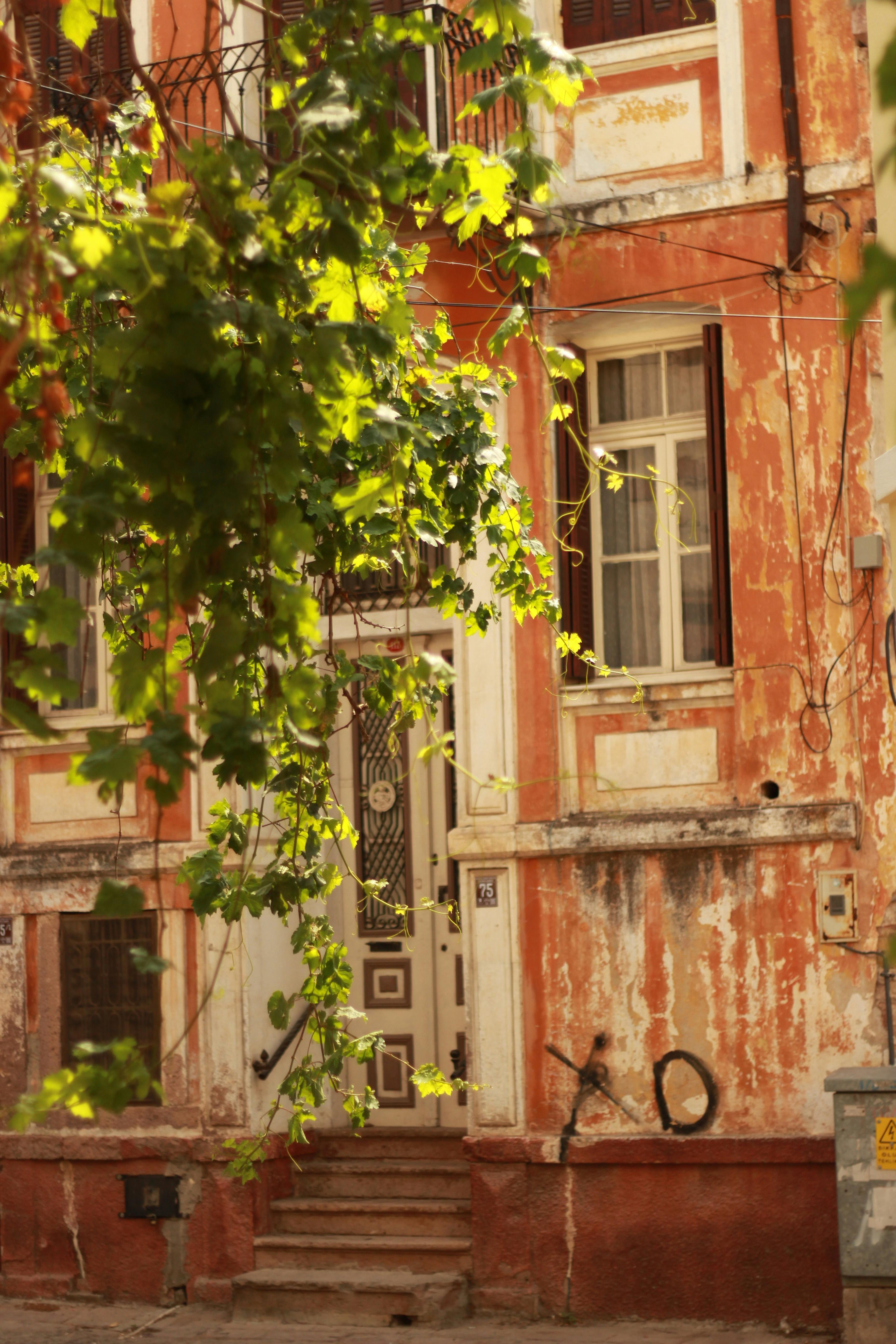
The general condition of the building directly influences the value of a property. Structural defects such as cracked walls, foundation settling, or the need for significant work on the roof, plumbing, or electricity are major deterrents for buyers.
Problems with humidity and mold are also warning signals. They can lead to high costs for restoration and pose a health risk, which often pushes buyers to negotiate the price down.
Finally, energy efficiency plays a key role. A poor energy performance score (PEB), synonymous with high energy consumption, frequently results in a decrease in the property's price.
Environment
Location, floor, and exposure
The location has a determining impact on the selling price. A noisy environment, an insecure neighborhood, or a distance from amenities and public transport makes a property less attractive.
The floor also influences the value: a ground floor may suffer from a lack of light and noise nuisances, while a high floor without an elevator may exclude certain buyer profiles.
Exposure and layout are equally important. An unfavorable orientation or a poorly functional layout can reduce light and the perception of space.
Charges & solutions
High costs and levers for improvement
Significant charges, such as high condominium fees or substantial maintenance costs, can slow down the sale of a property. These recurring expenses are taken into account by buyers in their overall budget calculation.
Some defects can, however, be corrected. Targeted work, such as improving insulation, replacing the heating system, or adjustments to optimize lighting, can increase the attractiveness of the property. Before undertaking work, it is essential to evaluate their cost and their real impact on the property's value.


FAQ